
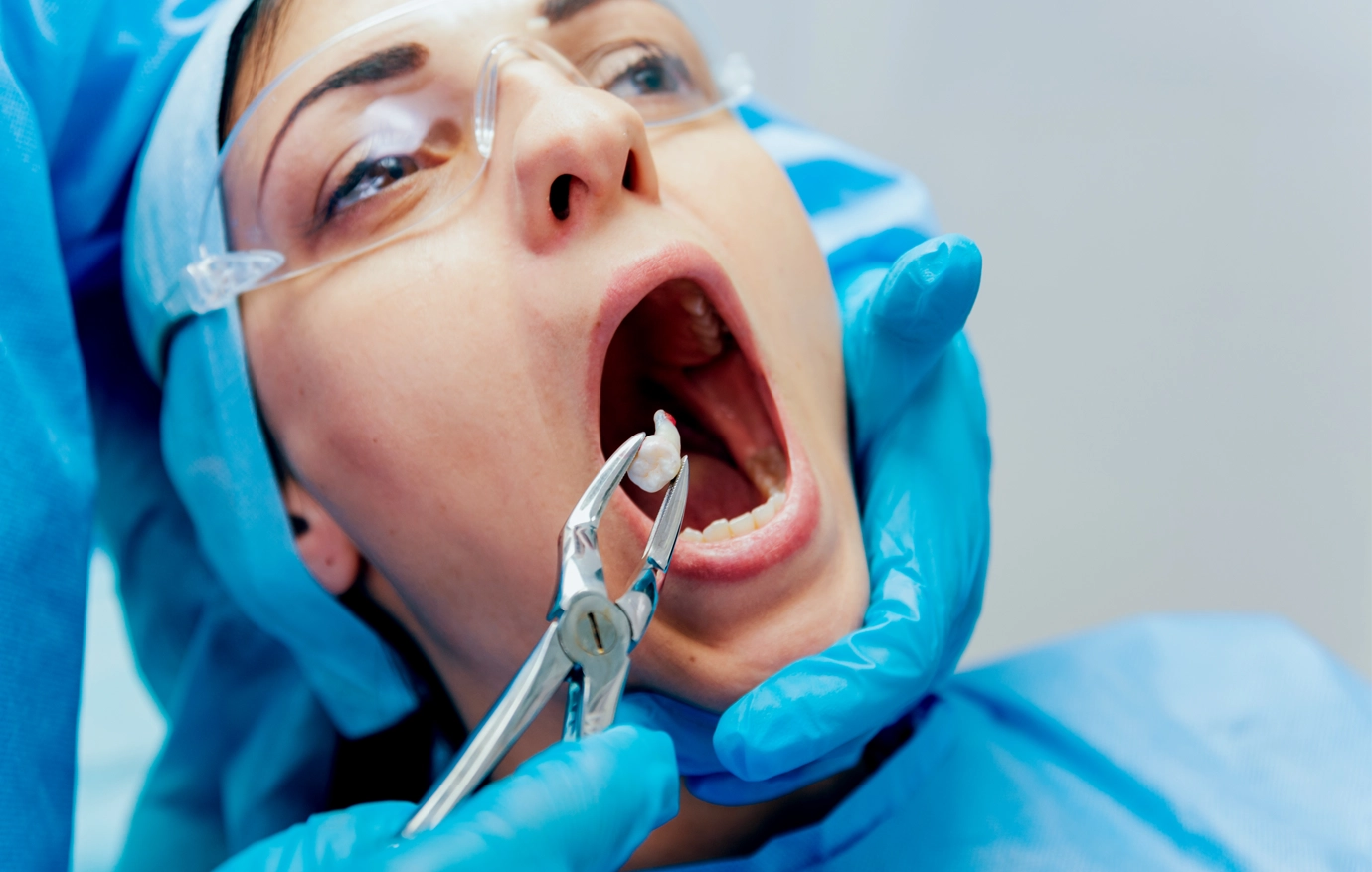
If an X-ray shows an impacted wisdom tooth, does it automatically need to come out? No — not always. Whether a wisdom tooth needs wisdom tooth extraction in Chennai depends on symptoms, disease, tooth position, and how it relates to surrounding teeth and anatomy, not simply on the fact that it's impacted or visible on a scan.
This article explains how that decision is actually made, what to expect from the procedure, and what recovery typically looks like.
-
Does Every Wisdom Tooth Need to Be Removed?
No.
A wisdom tooth that has fully erupted, functions normally, can be cleaned properly, and shows no signs of disease may not need to be removed at all. Similarly, an asymptomatic impacted wisdom tooth — one that hasn't caused pain, infection, or damage — doesn't automatically require extraction just because it's impacted.
In many such cases, a wisdom tooth can instead be monitored over time with periodic dental reviews and imaging as needed, rather than being extracted as a precaution.
Removal tends to be recommended when there's evidence of actual disease, recurrent symptoms, damage to the tooth or its neighbour, or another specific clinical indication. Extraction should be a response to a defined problem — not a default step simply because a wisdom tooth exists.
-
7 Signs Your Wisdom Tooth Should Be Checked
None of these signs on their own confirm that extraction is necessary — they're reasons to get the tooth assessed so a dentist can determine whether it's actually the cause and what treatment, if any, is appropriate.
- Pain at the back of the jaw — persistent discomfort near where the wisdom tooth is or should be
- Swollen or tender gum around the wisdom tooth area
- Repeated inflammation or infection around a partially erupted wisdom tooth
- Difficulty opening the mouth, especially when associated with swelling or inflammation
- Bad taste or discharge, which can suggest a suspected infection
- Decay or difficulty cleaning the wisdom tooth properly
- Problems affecting the neighbouring second molar, such as pressure, decay, or bone loss
Facial swelling alongside any of these symptoms is a reason for prompt dental assessment rather than waiting to see if it settles on its own.
-
What Is an Impacted Wisdom Tooth?
An impacted wisdom tooth is one that hasn't erupted into a normal, functional position in the mouth. This can happen in several ways — the tooth may be:
- Partially erupted, with part of it still under the gum
- Completely covered by gum tissue
- Partially or completely covered by bone
- Angled toward the neighbouring tooth
- Positioned horizontally or in another unusual orientation
It's worth repeating: impaction describes the tooth's position, not automatically its health. Plenty of impacted wisdom teeth remain free of disease for years and don't need surgical removal.
-
How Does a Dentist Decide Whether a Wisdom Tooth Needs Removal?
This decision is based on a combination of factors gathered during your assessment, including:
- Your medical and dental history
- Current symptoms
- Clinical examination of the tooth and surrounding gum
- Eruption status and position of the tooth
- Gum health around the area
- Presence of decay
- Condition of the neighbouring second molar
- Available space and the tooth's angulation
- Imaging, where clinically indicated
Imaging (such as an OPG X-ray, and CBCT in selected cases) can help evaluate root anatomy, the degree of impaction, the condition of adjacent teeth and supporting bone, and — importantly for lower wisdom teeth — their relationship to a nerve running through the jaw (the inferior alveolar nerve), or for upper wisdom teeth, their relationship to the maxillary sinus. Imaging can also help identify any associated pathology, such as a cyst.
Not every patient needs a CBCT scan, and a standard OPG X-ray isn't always sufficient on its own either — the right imaging depends on what your dentist finds during examination and what information is needed to plan treatment safely.
-
Simple Extraction vs Surgical Wisdom Tooth Removal
Factor Simple Extraction Surgical Removal When it applies Tooth is sufficiently erupted and accessible Tooth is partially or completely impacted Access Direct access to the visible tooth May require an incision in the gum to access the tooth Bone involvement Typically minimal to none May involve removing a limited amount of surrounding bone, depending on the case Tooth removal Removed as a whole May need to be divided into sections for removal, depending on position Stitches Usually not required Often placed if needed, depending on the case Complexity Generally more straightforward Depends on impaction depth, angulation and root anatomy Not every impacted wisdom tooth requires extensive bone removal or sectioning — the extent of surgery needed depends entirely on how the tooth is positioned and how deeply impacted it is, which is assessed on a case-by-case basis.
-
What Happens During Wisdom Tooth Extraction?
While specifics vary by case, the general steps typically include:
- Assessment and imaging, where required, to understand the tooth's position and plan the approach
- Local anaesthetic to numb the treatment area
- Access to the tooth — direct for erupted teeth, or via a gum incision for impacted ones
- Removal of the tooth, either whole or in sections depending on position
- Cleaning and inspection of the socket
- Stitches, if required
- Postoperative instructions for care during recovery
Local anaesthesia is the most commonly used approach for wisdom tooth removal. Sedation or general anaesthesia may be considered in selected situations depending on case complexity, patient anxiety, the clinical setting, and the treating clinician's recommendation — this is a decision made based on individual assessment, not something offered as a default option.
-
Does Wisdom Tooth Removal Hurt?
During the procedure, local anaesthesia is used to numb the area being treated. You may feel pressure or a sensation of movement as the tooth is removed, rather than sharp pain.
Some soreness and swelling afterward is a normal and expected part of recovery, and this varies from person to person depending on the complexity of the extraction. We won't promise a "painless" or "100% pain-free" procedure — no responsible clinic can guarantee that — but the goal of anaesthesia and postoperative guidance is to keep discomfort manageable throughout.
-
Wisdom Tooth Removal Recovery: What to Expect
Recovery timelines vary based on the complexity of the extraction and individual healing, but here's a general pattern many patients experience.
Timeframe What's Typical First 24 hours A blood clot forms in the socket and plays an important role in healing — protecting it matters. Some discomfort, swelling, and mild oozing can occur. Avoid rinsing vigorously or otherwise disturbing the socket. Days 2–3 Swelling and soreness may actually become more noticeable during this window before starting to improve. Some jaw stiffness is common. Days 3–7 Many patients begin feeling substantially better around this point. Time needed away from work varies by complexity, anaesthesia used, job demands, and individual healing. 1–2 weeks Swelling, soreness, and jaw stiffness generally continue improving. Dissolvable stitches, if used, typically disappear around this timeframe. Following weeks Internal healing of the bone and socket continues beneath the surface for longer than most people expect — the site shouldn't be considered fully healed just because a week has passed. -
What Can You Eat After Wisdom Tooth Removal?
Softer foods are generally easier to manage in the initial days after extraction. Options that tend to work well include:
- Yoghurt
- Soft rice preparations
- Idli
- Other soft-cooked foods
- Mashed vegetables
- Soups that aren't very hot
It's best to avoid foods that are hard, very crunchy, or likely to get lodged in the socket. Very hot foods and drinks are usually best avoided early in recovery as well, in line with your postoperative instructions. Straws should be avoided, as the suction involved can disturb the healing blood clot.
You don't need to follow an unnecessarily restrictive diet for a full week — most patients can gradually reintroduce normal foods as chewing becomes more comfortable, guided by how the site feels.
-
What Is Dry Socket?
Normally, a blood clot forms over the extraction socket and protects the area while it heals. Dry socket (also called alveolar osteitis) happens when this clot fails to form properly, or becomes dislodged or dissolves too early, leaving the underlying bone and nerve endings exposed. This typically causes noticeable, often significant pain.
Dry socket usually becomes apparent a few days after extraction rather than immediately afterward. Smoking is known to increase the risk of dry socket and other postoperative complications.
To be clear: pain on day three doesn't automatically mean you have dry socket. But increasing or severe postoperative pain — rather than pain that's gradually settling — should be assessed by your dentist rather than managed on your own.
-
How Can You Protect the Extraction Site?
- Following your dentist's specific postoperative instructions
- Avoiding smoking
- Avoiding actions that could disturb the blood clot (such as vigorous rinsing, spitting forcefully, or using a straw)
- Keeping up gentle oral hygiene elsewhere in the mouth
- Sticking to softer foods initially
- Avoiding strenuous physical activity during the immediate recovery period, if advised
Instructions around rinsing can differ depending on timing — for instance, gentle salt-water rinsing is often introduced a day or so after surgery, not immediately. Follow the specific guidance given to you rather than general advice found elsewhere, since it should be tailored to your procedure.
-
When Should You Contact Your Dentist After Wisdom Tooth Removal?
Normal, expected recovery can include swelling, soreness, jaw stiffness, mild bruising, and temporary difficulty chewing.
Contact your dentist or oral surgeon if you notice:
- Bleeding that doesn't stop with the measures you were advised to use
- Severe or worsening pain, rather than pain that's gradually improving
- Swelling that's getting worse instead of settling
- Bad taste or discharge accompanied by increasing pain
- Fever or feeling significantly unwell
- Any other symptom that feels unexpected or concerning
Rapidly increasing facial or neck swelling, or difficulty breathing or swallowing, needs urgent medical or dental attention — this shouldn't wait for a routine appointment.
-
What Are the Risks of Wisdom Tooth Removal?
As with any surgical procedure, wisdom tooth removal carries some potential risks, which your dentist should discuss with you as part of informed consent. These can include:
- Dry socket
- Infection
- Bleeding
- Temporary, or in rare cases persistent, nerve disturbance
- Damage to adjacent structures
- Other complications specific to your individual case
For lower wisdom teeth in particular, two nerves — the inferior alveolar nerve and the lingual nerve — can run close to the surgical site. If disturbed, this can cause altered sensation, tingling, or numbness affecting areas such as the lower lip, chin, or tongue, depending on which nerve is involved. This is usually temporary, though rarely it can be longer-lasting.
The actual level of risk varies considerably depending on individual anatomy and how the tooth is positioned relative to these structures — there isn't one statistic that applies to every patient. Appropriate imaging and surgical assessment beforehand help your dentist evaluate this risk for your specific case and discuss it with you.
-
What Is a Coronectomy?
For selected lower wisdom teeth where the roots sit very close to the inferior alveolar nerve, a surgeon may sometimes consider a coronectomy — removing the crown (visible top) of the wisdom tooth while intentionally leaving some or all of the roots in place, to reduce the risk of nerve injury.
This isn't appropriate for every wisdom tooth. It carries its own specific risks and may occasionally require further treatment later. Whether it's a suitable option depends entirely on individual surgical assessment.
-
How Much Does Wisdom Tooth Extraction Cost in Chennai?
There's no single figure for wisdom tooth extraction cost in Chennai, because a simple extraction of a fully erupted tooth and a surgical removal of an impacted tooth are genuinely different procedures with different levels of complexity.
Factors that can influence cost include:
- Whether the tooth is erupted or impacted
- The tooth's position and angulation
- Surgical complexity
- Imaging required for planning
- The anaesthesia approach used
- Whether specialist involvement is needed
- Postoperative care requirements
We're not going to invent a number here, or borrow a price from elsewhere and present it as Odent's fee. The most accurate way to know your cost is through an assessment and appropriate imaging where required, after which a treatment estimate specific to your case can be given.
Wisdom Tooth Removal in Perungudi at Odent Dental Care
Odent Dental Care has two clinic locations, both in Perungudi, Chennai:
Telephone Nagar Clinic
Odent Dental Care, 15, 11th Cross Street, Phase 1, Telephone Nagar, Perungudi, Chennai 600096
Thiruvalluvar Nagar Clinic
Odent Dental Care, 70C, MGR Street, Thiruvalluvar Nagar, Perungudi, Chennai 600096
Phone: +91 99443 76835
If you're dealing with wisdom tooth pain, swelling, or have been told you have an impacted wisdom tooth, you can contact Odent Dental Care for an assessment. The team can advise on the appropriate treatment pathway and clinic location for your specific situation — extraction isn't assumed before a proper diagnosis has been made.
Frequently Asked Questions
How do I know if my wisdom tooth needs to be removed?
This can only be determined through a clinical assessment, and imaging where needed, that looks at symptoms, tooth position, disease, and the condition of neighbouring teeth. Pain or visible impaction alone doesn't automatically confirm extraction is necessary.
Does every impacted wisdom tooth need extraction?
No. An impacted wisdom tooth that's free of disease and not causing problems may be monitored rather than removed. Extraction is generally considered when there's a specific clinical indication.
Can wisdom tooth pain go away without extraction?
Sometimes mild, temporary discomfort settles, especially with improved cleaning of the area. However, pain caused by an underlying issue such as infection or decay typically needs to be assessed and addressed rather than assumed to resolve on its own.
What is pericoronitis?
Pericoronitis is inflammation of the gum tissue around a partially erupted tooth, most often a wisdom tooth. A single mild episode isn't automatically treated as a reason for surgery, but recurrent episodes can support a decision to remove the tooth.
Is wisdom tooth extraction painful?
The area is numbed with local anaesthesia during the procedure, so you shouldn't feel sharp pain, though pressure or movement may be felt. Some soreness afterward is expected and normal, though it varies between individuals.
How long does wisdom tooth removal take?
This depends on the complexity of the case — a simple extraction is generally quicker than a surgical removal of an impacted tooth. Your dentist can give you a better estimate after assessing your specific tooth.
How many days does wisdom tooth removal take to recover from?
Many patients feel substantially better within about a week, though this varies by individual and case complexity. Internal healing of the bone continues for longer even after you start feeling normal.
When is swelling worst after wisdom tooth removal?
Swelling often peaks around day 2–3 after the procedure, before gradually improving over the following week.
When can I eat normally after wisdom tooth extraction?
Most patients start with softer foods and gradually reintroduce normal foods as chewing becomes more comfortable, rather than following a fixed timeline.
What is dry socket?
Dry socket occurs when the blood clot protecting the extraction site doesn't form properly or is lost, exposing the underlying bone and causing significant pain, usually a few days after extraction rather than immediately.
How do I know if my wisdom tooth extraction is infected?
Signs that warrant assessment include worsening pain, increasing swelling, bad taste or discharge, or fever. These are reasons to contact your dentist rather than self-diagnose or self-treat.
Can I go to work the day after wisdom tooth removal?
This depends on the complexity of your extraction, the type of anaesthesia used, and the physical demands of your job. Some patients manage light activity the next day; others need more recovery time. There's no single answer that applies to everyone.
How much does wisdom tooth extraction cost in Chennai?
Cost depends on whether the extraction is simple or surgical, the tooth's position, imaging needs, and anaesthesia approach. An accurate estimate can only be given after assessment.
Should I see a dentist or oral surgeon for an impacted wisdom tooth?
Your dentist can assess the tooth and determine whether treatment can be managed directly or whether referral to a specialist is appropriate based on the complexity of your case.
This article provides general information and is not a substitute for individual clinical assessment. Whether a wisdom tooth needs removal, and what approach is appropriate, can only be determined through examination and imaging where indicated. To have a wisdom tooth concern assessed, contact Odent Dental Care at either of its Perungudi clinics.
